Discover the Best Indoor Bar Seating for Every Space
Indoor bar seating has become an essential element in modern homes, restaurants, and entertainment venues. Whether you’re designing a cozy home bar, updating your kitchen island, or refreshing a commercial space, the right indoor bar stools and seating arrangements can transform the atmosphere and functionality of your interior. In this comprehensive guide, we explore the latest trends, layout strategies, and expert tips to help you create the perfect indoor bar seating area.

Why Indoor Bar Seating Matters
The importance of indoor bar seating goes beyond providing a place to sit. It encourages social interaction, enhances your interior décor, and optimizes space. Well-chosen bar stools or chairs can create a focal point in your kitchen, dining room, or entertainment area, making it a hub for gatherings and conversations.
- Maximizes Space: Bar seating is ideal for small spaces where traditional dining tables may not fit.
- Versatility: Easily adapts to kitchens, lounges, and commercial bars.
- Style Statement: Available in a range of materials and finishes to match any interior style.
Popular Styles of Indoor Bar Seating
Choosing the right style is key to designing a cohesive and inviting indoor bar area. Here are some of the most popular options:
Classic Wooden Bar Stools
- Timeless and versatile
- Available in various finishes (oak, walnut, cherry)
- Great for rustic, farmhouse, or traditional interiors
Modern Metal Bar Chairs
- Sleek lines and industrial vibes
- Often feature adjustable heights and footrests
- Perfect for contemporary and urban spaces
Upholstered Bar Seating
- Maximized comfort with padded seats and backs
- Available in leather, velvet, or fabric options
- Suited for luxury and eclectic interiors


Key Factors to Consider When Choosing Indoor Bar Seating
-
Bar Stool Height:
Measure the height of your bar or counter. Standard bar stools are 28–32 inches tall, while counter-height stools are 24–27 inches. Leave about 9–12 inches between the seat and countertop for comfortable seating.
-
Material and Durability:
Choose materials that complement your interior and withstand wear. Wood, metal, and upholstered seats are all popular choices for indoor use.
-
Comfort and Ergonomics:
Look for seating with supportive backs, cushioned seats, and footrests for extended comfort.
-
Space and Layout:
Ensure enough space between stools (ideally 26–30 inches per stool) for easy movement. Consider swivel or stackable designs for flexibility.
-
Style and Finish:
Select finishes that enhance your existing décor, from brushed nickel to distressed wood or colorful upholstery.
Layout and Design Tips for Indoor Bar Seating
- Optimize Traffic Flow: Arrange bar stools to allow easy access and avoid crowding in high-traffic areas.
- Mix and Match: Combine different styles or colors for an eclectic look, or choose uniform stools for a minimalist vibe.
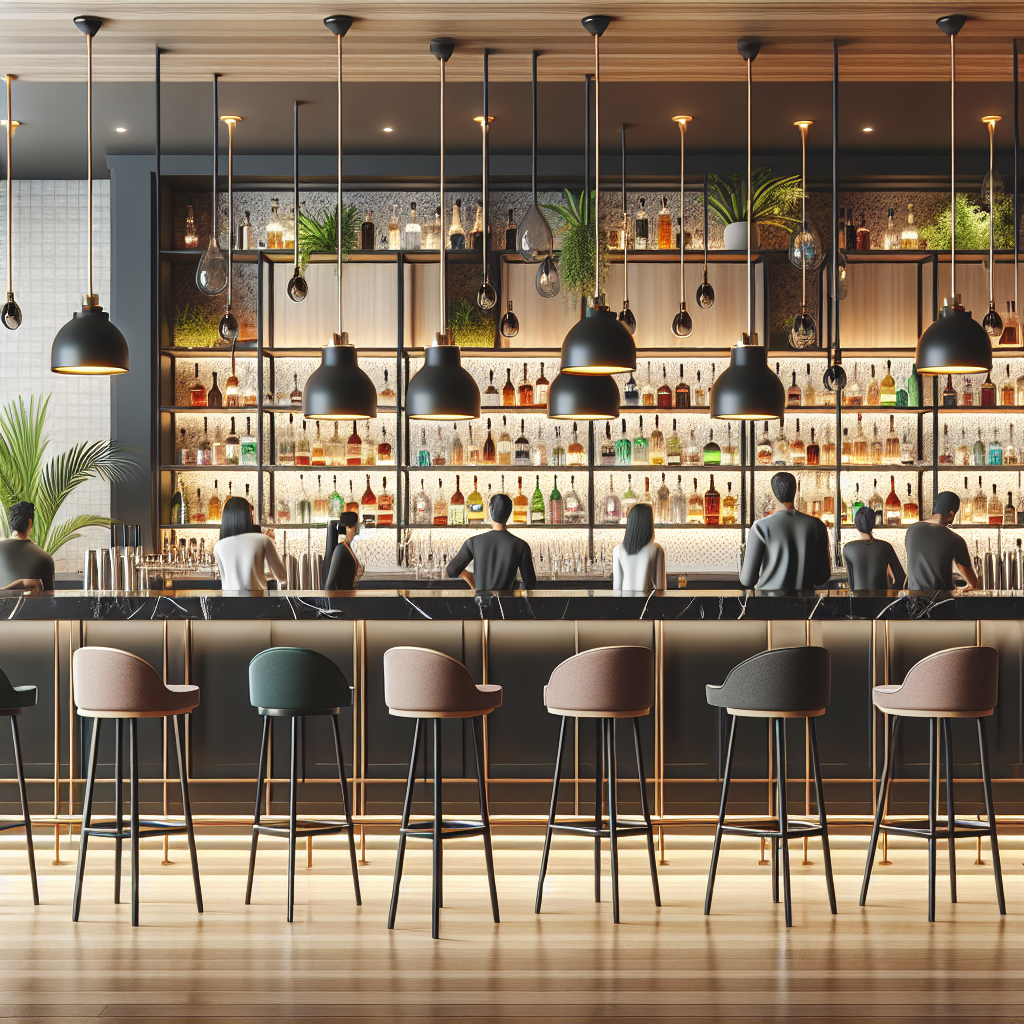
- Lighting Matters: Pair indoor bar seating with pendant lights or under-cabinet lighting to highlight the area and set the mood.
- Personal Touch: Add cushions, throws, or unique hardware to personalize your seating.
Related Concepts and LSI Keywords
When researching or shopping for indoor bar seating, you may come across terms such as kitchen island stools, counter stools, breakfast bar chairs, pub seating, home bar furniture, and adjustable bar stools. All these refer to variations in height, style, and use, but the core principles for choosing the best seating remain the same—comfort, durability, and design harmony.
Maintenance Tips for Indoor Bar Seating
Keeping your indoor bar seating in top condition extends its lifespan and maintains your interior’s appeal. Here are some quick care tips:
- Clean wood and metal frames with a damp cloth and mild soap.
- Vacuum or spot-clean upholstered seats regularly.
- Tighten screws and bolts periodically to ensure sturdiness.
- Protect from direct sunlight to prevent fading of fabrics or finishes.
Indoor Bar Seating Ideas for Every Room
Home Bars
Transform your basement or living room with plush, high-back stools or swivel chairs. Add built-in shelving and accent lighting for a true bar experience.
Kitchen Islands
Opt for counter-height stools with easy-to-clean finishes. Backless stools can slide under the counter, saving space in smaller kitchens.
Dining Nooks
Use bar seating to create a casual breakfast bar or coffee station—perfect for quick meals and socializing.
Commercial Bars and Restaurants
Durable, easy-to-maintain bar chairs and stools are essential. Consider stackable or adjustable options for flexibility and efficient cleaning.
Current Trends in Indoor Bar Seating Design
- Mixed Materials: Combining wood, metal, and upholstery for a layered look.
- Bold Colors: Statement-making stools in blue, green, or gold add personality to interiors.
- Curved and Organic Shapes: Ergonomic designs prioritize comfort and style.
- Sustainable Materials: Eco-friendly bar stools made from recycled or responsibly sourced materials are gaining popularity.
Frequently Asked Questions About Indoor Bar Seating
- How high should indoor bar stools be?
- Standard bar stools are typically 28–32 inches high, while counter stools are 24–27 inches. Measure your counter to ensure the right fit.
- What’s the difference between bar stools and counter stools?
- Bar stools are taller and designed for traditional bar heights. Counter stools are shorter for kitchen islands or counters.
- How much space should I leave between bar stools?
- Leave 26–30 inches between the centers of each stool for comfortable seating and movement.
- Are swivel stools better for indoor bars?
- Swivel stools add flexibility and are great for social spaces, but non-swivel options can be more stable and compact.
Conclusion: Create Your Ideal Indoor Bar Seating Area
Indoor bar seating is more than just a practical solution—it’s a stylish way to enhance your home or business interior. With countless options in materials, designs, and configurations, you can easily find the perfect seating to match your lifestyle and décor. Use the tips and ideas in this guide to design a bar area that’s comfortable, functional, and visually stunning.